

MOTS-c Peptide: Mitochondrial Metabolism & Longevity 2026
A typical 10mg vial from various suppliers barely last a week in the Seeds protocol (and with costs starting at $60 or more per vial), expenses can accumulate quickly during a full cycle. There are currently no human studies available for native MOTS-c; therefore, dosing guidelines are derived from the experiences of researchers and practitioners familiar with the compound. Given that the entire mechanism of MOTS-c operates through AMPK, this provides a scientifically valid reason for the caution some researchers exhibit regarding its use in muscle-building scenarios. For detailed combination protocols, refer to our guides for the Retatrutide + MOTS-c stack and the AOD + Tesamorelin + MOTS-c stack. Usually — this is not an issue at moderate dosages and standard protocols, as the metabolic advantages outweigh any slight suppression of anabolic activity.
Circulating MOTS-C may vary according to age, sex, insulin resistance, disease severity, assay methods, and other metabolic factors. These findings contrast with some earlier studies that reported lower MOTS-C concentrations in specific populations with obesity. But it is important not to translate an improvement in mouse treadmill performance directly into claims of improved human athletic performance. In a 2021 study, Reynolds and colleagues found that endogenous MOTS-C increased in skeletal muscle and circulation after exercise in humans. A subsequent review described this process as a form of mitonuclear communication—communication from mitochondria back toward the nucleus. In mice, experimental MOTS-C administration also reduced high-fat-diet-induced insulin resistance and obesity.
The most concrete real-world risk isn’t exotic at all, it’s what’s in the vial.

Doses reported in researchNo established human study doses; community protocols vary and are not clinically validated Some protocols align MOTS-c with exercise timing — injecting before workouts to potentially enhance the training response. Research protocols vary based on the specific application being studied. Researchers designing metabolic protocols should select the compound whose mechanism aligns with their research question. Benefits (dosing protocols), side effects, weight loss research, and before-and-after results from published studies.
Community Enhanced Metabolic Protocol
None of this is settled science (and treating it as a single mechanism), the way a lot of advice online does, leads to management that doesn’t always fit what’s really happening. That has also led to much broader claims online about weight loss (endurance), insulin sensitivity and longevity. Its mechanism is fundamentally different, which gives researchers another potential pathway to investigate.
Theoretical concerns include low blood sugar in people on diabetes medications. Published mouse studies used doses around 5–15 mg/kg, which do not translate directly to human dosing without trial data. No published Phase 2 or Phase 3 trial has tested whether giving MOTS-c to humans produces these benefits in people. For comparison reading inside Peptide Advisors (review the Retatrutide guide), the Cagrilintide guide, and the Tesamorelin guide.
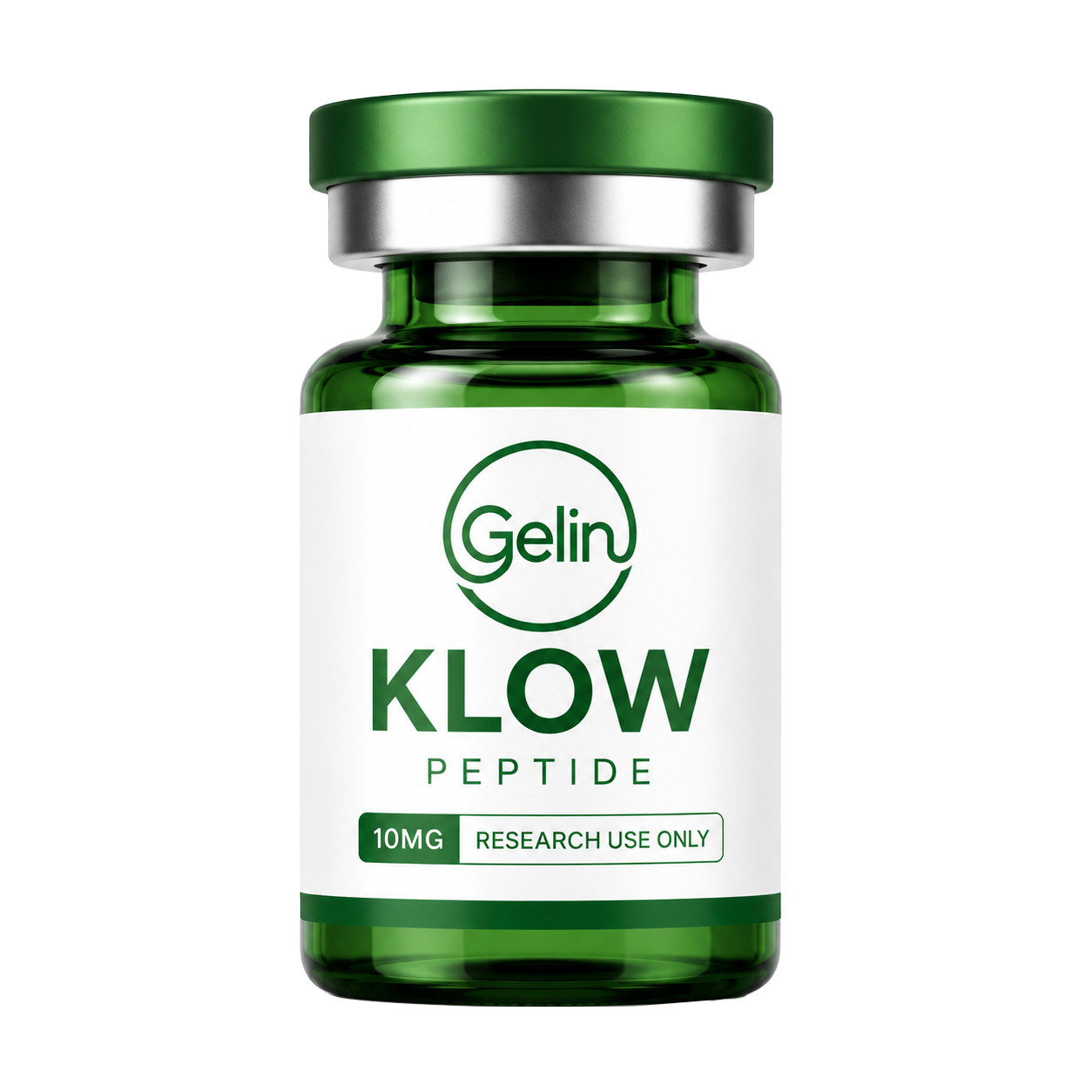
The practical takeaway is that MOTS-c is best understood as a scientifically interesting research molecule with a plausible mechanism and encouraging animal data — but not as a validated therapy. Anyone considering MOTS-c or any research peptide should consult a qualified healthcare professional and review our medical disclaimer before making decisions. In the United States and European Union (online products are typically sold only as a « for research use only » chemical), not as a supplement or drug.
Ten milligrams is the standard vial size and the top of the reported range, not a stronger version of the compound. There is no long-term human safety data, no information on interactions with prescribed medication, and no characterization of effects in people who already have metabolic disease. All of that rests on rodent work and mechanism, with human evidence limited to observation and one Phase 2a trial still recruiting.
Whether or not a provider ever considers MOTS-c, patients are asking about it — often after reading longevity content online. MOTS-c is a peptide that has generated growing interest among longevity researchers, biohackers, and clinicians for its proposed role in metabolic regulation. Medically reviewed by Joseph B. Beavers (MD Family Medicine Physician & Empire Peptide Course Faculty Here’s an honest clinical overview of what MOTS-c is), what it has actually been studied for, why its evidence base is still early and largely preclinical, and the regulatory realities every provider needs to understand. For our wider compound directory, laboratory-report information and Thailand-specific research-peptide documentation, see Research Peptides in Thailand.
Top MOTS-C Vendors
In theory, that is correct, although there is a lack of research on particular combinations. Dosing protocols range from 5mg administered two to three times a week to smaller doses taken daily. Future research may investigate the applications of MOTS-c for various conditions such as neurodegenerative diseases, cardiovascular issues, and sarcopenia.
Our MOTS-c dosage chart sets label and trial doses beside what Reddit users report taking. Our MOTS-c vendor comparison covers which suppliers publish real analytical documentation, and the MOTS-c for sale page tracks current listings and pricing. Because MOTS-c is fragile and its effects are subtle, product quality determines outcomes more than protocol design does. If a protocol appears to do nothing at all, degradation is a more likely explanation than non-response.
Fat Oxidation
MOTS-c is primarily studied in the context of mitochondrial and metabolic biology, whereas other peptides address differing biological or therapeutic claims. Such isolated accounts do not provide an adequate safety profile and may reflect both peptide and product specific risks. Among online users adverse effects that have been reported include increased heart rate and heart palpitations (injection site irritation), sleep disturbances, and fever.
To get 40mg from most vendors at $60 or more per 10mg vial (you’d spend at least $240), and plenty of vendors don’t sell anything past 10mg, so you’d be reordering every week regardless. Most vendors sell 10mg vials for $60-90 each. What you want from a vendor is frozen storage before it ships (a recent lot-specific COA showing the material was intact when tested), and the discipline to get it into your own freezer the day it lands.
Metabolic Stability Across Aging

In those dosing protocols (a 10 mg vial reconstituted with 2 mL of BAC water will produce a concentration of 5 mg/mL), with a 1 mg dose equating to 20 units on an insulin syringe. Common practice in the community and research suggests administering 1 mg subcutaneously each morning, on a regimen of 5 days on and 2 days off for cycles lasting 8 weeks. For prolonged protocols, it’s advisable to assess trends with a clinician every 3 to 6 months. The community protocols typically recommend lowering the dose to address persistent headaches, while any ongoing symptoms should be consulted with a clinician. Clinical researchers and healthcare providers we are acquainted with caution that (even if MOTS-c is as safe as CB4211), it might present certain health risks.
Nevertheless (results from the study have not yet been published; thus), MOTS-c cannot yet be deemed a safe or effective weight-loss medication for individuals. In July 2026 (the FDA reviewed bulk substances related to MOTS-c for potential inclusion in the 503A compounding list), a process distinct from drug approval. As of August 11, 2026, the FDA has not approved MOTS-c for uses related to weight loss, obesity, fatigue, performance, longevity, osteoporosis, or any other medical conditions. If your objective is to improve metabolic health (body composition), energy levels, or recovery, initiate the process with a provider-led assessment to evaluate your health history and evidence-based treatments, instead of purchasing a MOTS-c product. Several factors can contribute to weight gain or challenges in losing weight (including nutrition), sleep patterns, medications, insulin sensitivity, hormonal influences, physical activity levels, stress, and underlying health issues.